Skip to product information
1 of 1

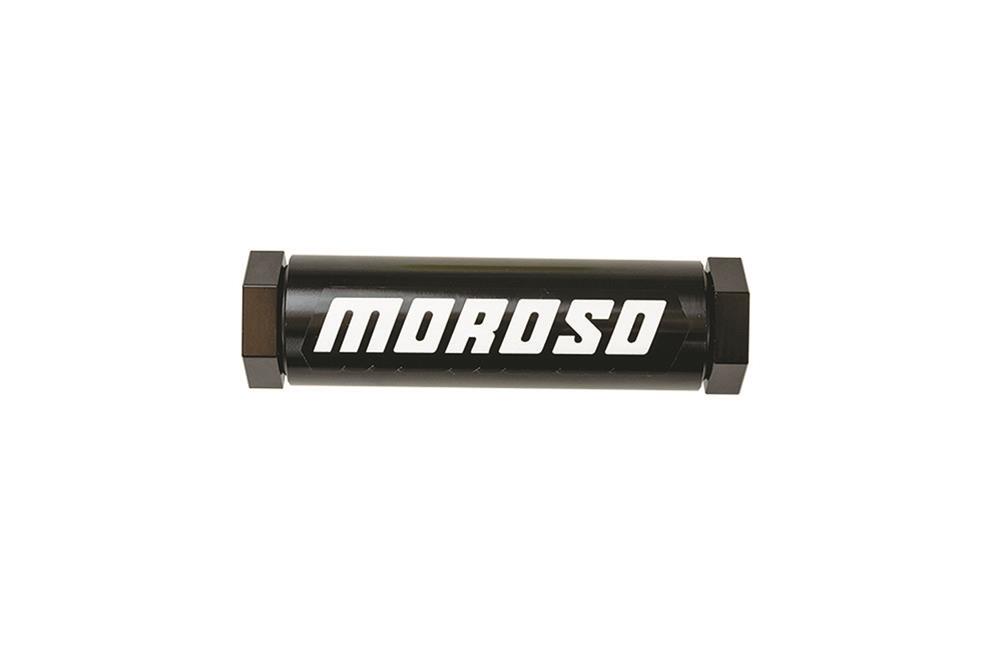
Moroso 65231 Moroso Inline Fuel Filters

Moroso 65231 Moroso Inline Fuel Filters

Regular price $98.25
Regular price Sale price $98.25
Sale Sold out

This inline fuel filter (part 65231) delivers high-flow filtration for carbureted and EFI fuel systems. A quality fuel filter is the last line of defense between your fuel tank and your injectors or carburetor jets, catching debris and sediment that can cause lean conditions and component damage. Installing a performance inline filter is inexpensive insurance that protects your entire fuel system investment.

The filter housing is constructed from billet aluminum with a corrosion-resistant finish. A replaceable filter element is rated at 40-micron or 10-micron depending on application, with flow rates sufficient to support 600-plus horsepower without introducing a system restriction. AN inlet and outlet ports integrate seamlessly with aftermarket fuel line setups. The element can be serviced without removing the housing on most models, simplifying maintenance.

Cut your fuel line at the desired location, install the filter with the flow direction arrow pointing toward the engine, and secure all fittings. Mount the housing using the included bracket to prevent vibration fatigue on the connections. Replace the filter element annually or whenever you notice a fuel pressure drop during wide-open throttle runs.

Shop with confidence at GodsMods. We carry fuel filters and complete fuel system components for street, strip, and track builds.

View full details

Frequently Asked Questions

What micron rating does the Moroso 65231 Moroso Inline Fuel Filters use for filtering fuel contaminants?

The Moroso 65231 Moroso Inline Fuel Filters filters fuel down to 10 to 40 microns depending on the specific filter element type. This fuel filter removes contaminants that can clog injectors and damage high-pressure fuel pumps. A 10-micron filter is recommended for EFI systems with precision injectors while 40-micron filters work well for carbureted applications.

How often should I replace the Moroso 65231 Moroso Inline Fuel Filters to keep my fuel system clean?

The Moroso 65231 Moroso Inline Fuel Filters should be replaced every 15,000 to 30,000 miles for optimal fuel system protection. This fuel filter can become restricted over time, reducing fuel pressure by 2 to 5 PSI when clogged. Replace it sooner if you notice hesitation, hard starting, or a drop in fuel pressure on your gauge.

Does the Moroso 65231 Moroso Inline Fuel Filters come with mounting brackets and AN fittings for installation?

The Moroso 65231 Moroso Inline Fuel Filters includes stainless steel mounting brackets and barbed or AN fittings for secure installation. This fuel filter measures 4 to 6 inches in length and 2 to 3 inches in diameter. The filter housing is constructed from polished 6061 aluminum or plated steel for corrosion resistance in harsh under-vehicle environments.

What specific performance benefits does the Moroso 65231 Moroso Inline Fuel Filters offer for my vehicle?

The Moroso 65231 Moroso Inline Fuel Filters enhances your vehicle's air and fuel delivery system for improved power and efficiency. This performance part is engineered to OEM specifications or better using high-quality materials. Expect noticeable gains in throttle response and overall driving experience after installation.

Is the Moroso 65231 Moroso Inline Fuel Filters a direct bolt-on replacement for my factory component?

The Moroso 65231 Moroso Inline Fuel Filters is designed for direct fitment on your specific vehicle application without major modifications. This component uses factory mounting points and connections for a straightforward installation process. Basic hand tools and approximately 30 to 60 minutes are typically all that is needed.

Does the Moroso 65231 Moroso Inline Fuel Filters require any ECU tuning after I install it on my engine?

The Moroso 65231 Moroso Inline Fuel Filters typically does not require ECU tuning for basic bolt-on installations on stock or mildly modified engines. The engine's computer can compensate for small changes in airflow or fuel delivery within its learning parameters. A professional tune is recommended if you combine this with other significant engine modifications.